SKP Consulting
Who Will Run Pakistan's Electricity?
October 15, 2026 · 4 min read
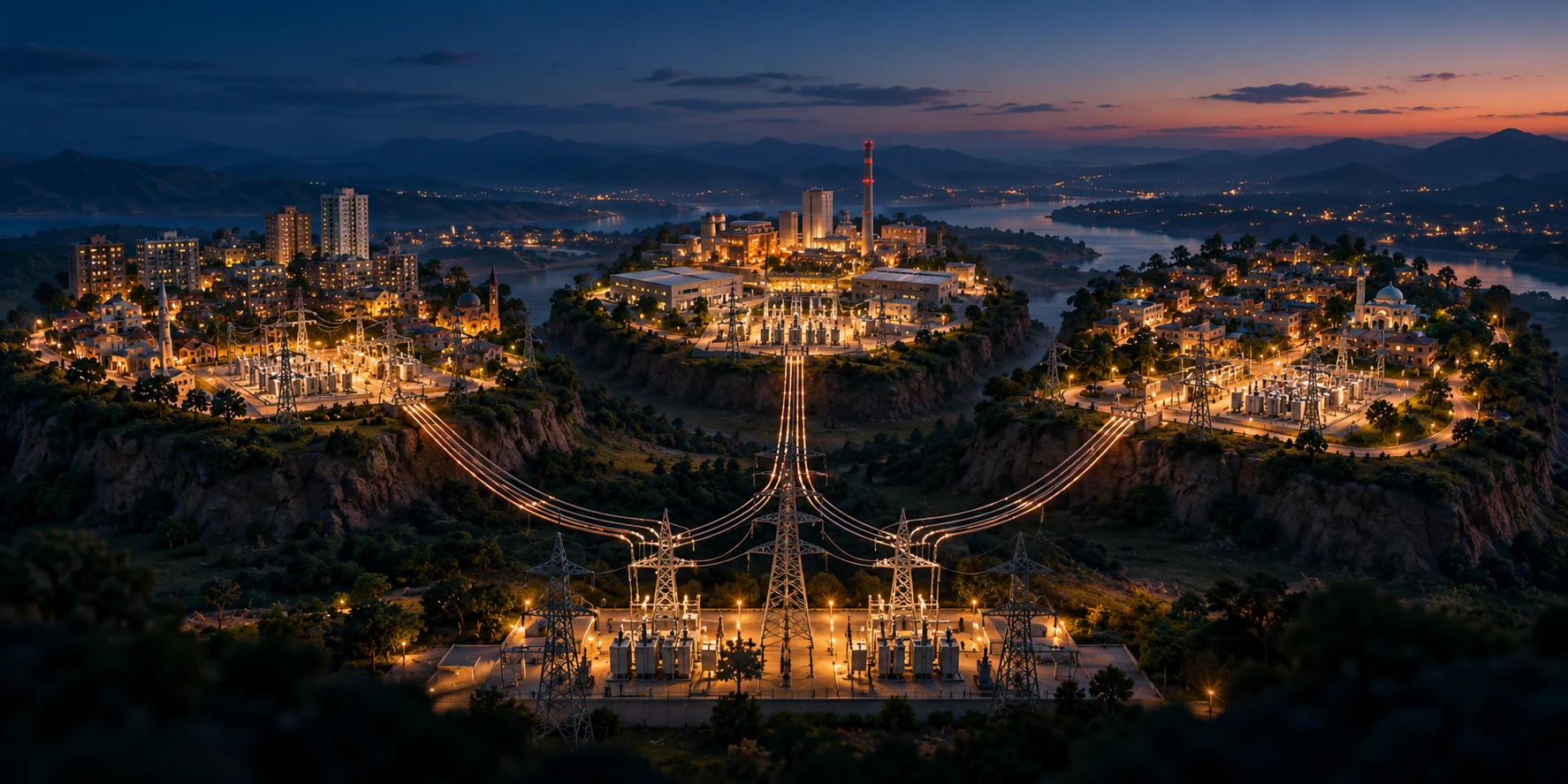
Pakistan is preparing to hand three of its electricity distribution companies to private owners: FESCO in Faisalabad, GEPCO in Gujranwala and IESCO in Islamabad. Together they serve nearly 15 million electricity consumers.
GEPCO is furthest ahead, and on 5 October nine investors were cleared to take the next step. To see why this sale is moving now, it helps to start with the one that came before it.
The starting point: PIA
In December 2025, a consortium led by Arif Habib Corporation won a 75% stake in Pakistan International Airlines with a bid of Rs135 billion. On 29 June 2026, management control passed to the new owners. Officials described it as Pakistan's first major privatisation in nearly two decades.
The PIA sale showed that a large state company can move through competitive bidding, regulatory approvals and a transfer of control. The same Privatisation Commission is now running the power sale.
What is actually being sold
A power distribution company delivers electricity to homes and businesses in its area and collects the bills. GEPCO, for example, serves Gujranwala, Sialkot, Narowal, Gujrat, Mandi Bahauddin and Hafizabad. Investors can bid for between 51% and 100% of each company, with full management control.
Under the plan shared with the IMF, the government aims to complete the sale of FESCO in January 2027, GEPCO in February 2027 and IESCO in March 2027. Peshawar, Hazara, Lahore and Multan are planned to follow by December 2027.
Who has come forward
When applications for GEPCO closed on 21 August, 11 investors had come forward from Pakistan, Turkiye and Saudi Arabia. On 5 October, the Privatisation Commission Board prequalified nine of them.
From Turkiye: Aktor Elektrik Enerji Yatirimlari, Genvera Enerji and Cengiz Enerji. From Pakistan: Engro Energy, Sapphire Fibres, and consortiums led by Hub Power Holdings, Shirazi Investments, Artistic Milliners and AKD Securities.
K-Electric withdrew its application, and Saudi Arabia's Al Sharif Contracting was unable to provide the required documents. The nine qualified bidders can now examine GEPCO's finances and operations before making binding bids.
Why investors are looking now
In July, S&P raised Pakistan's credit rating to B, its highest level in about eight years. On 7 October, the IMF reached a staff-level agreement on its latest review, which can release about US$1.2 billion once its board approves. The IMF estimates the economy grew 3.6% in the year to June 2026.
GEPCO itself has improved. Lower power purchase costs helped it post a profit after tax of Rs13.7 billion, against a loss of Rs13.1 billion in fiscal 2024. A profitable company with a clear sale timetable is what draws serious bidders.
What comes next, and who else it touches
Qualified bidders will now carry out financial, technical and legal checks. The government's stated aim is to improve efficiency, modernise the network, strengthen customer service and reduce losses.
New owners will need partners in Pakistan for engineering, technology, metering, finance and reporting. Each sale creates work well beyond the company being sold.
The crux
Pakistan has moved from planning privatisation to completing it. PIA is done, nine qualified investors from Pakistan and Turkiye are now studying GEPCO, and FESCO and IESCO are close behind. The sales planned for January to March 2027 are the ones to follow.
Related service
Setting Up a Project
Feasibility, structure, registration and the approvals that move a project off paper and into operation.
See what that involvesMore from SKP Consulting
The Sequence Problem: Why Setups Stall in Pakistan
Projects rarely stall because the commercial case is weak. They stall because registration, approvals and banking were attempted in the wrong order.
What a Feasibility Study Is Actually For
Not to tell you whether the idea works. To turn a market thesis into numbers a board or a lender can approve against.